
Survivors are the strongest and most effective voice in the campaign to abolish torture.

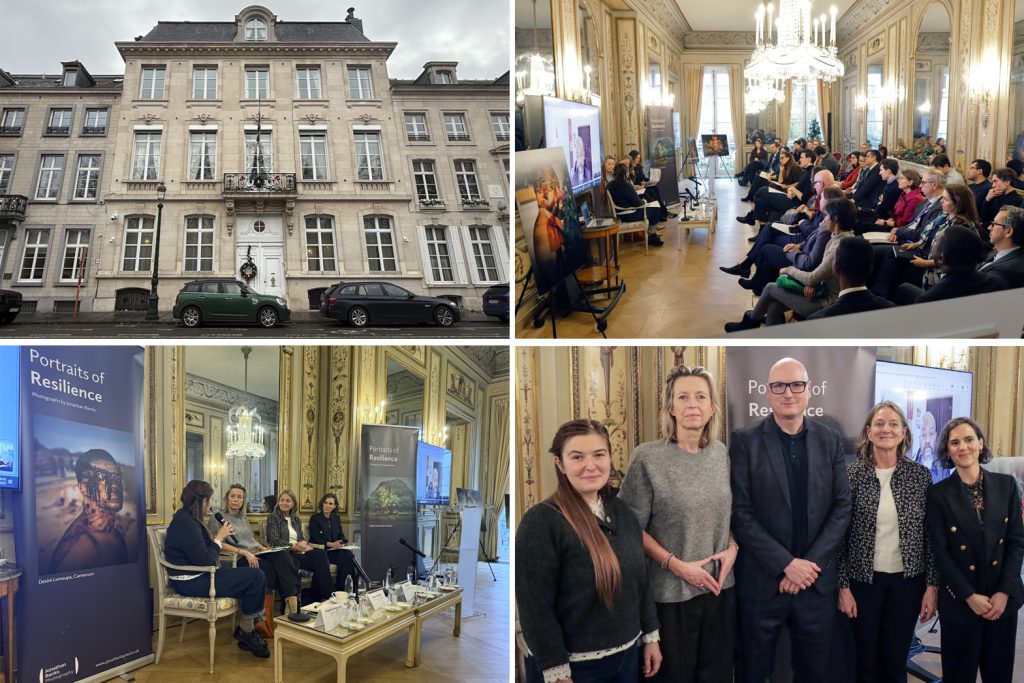
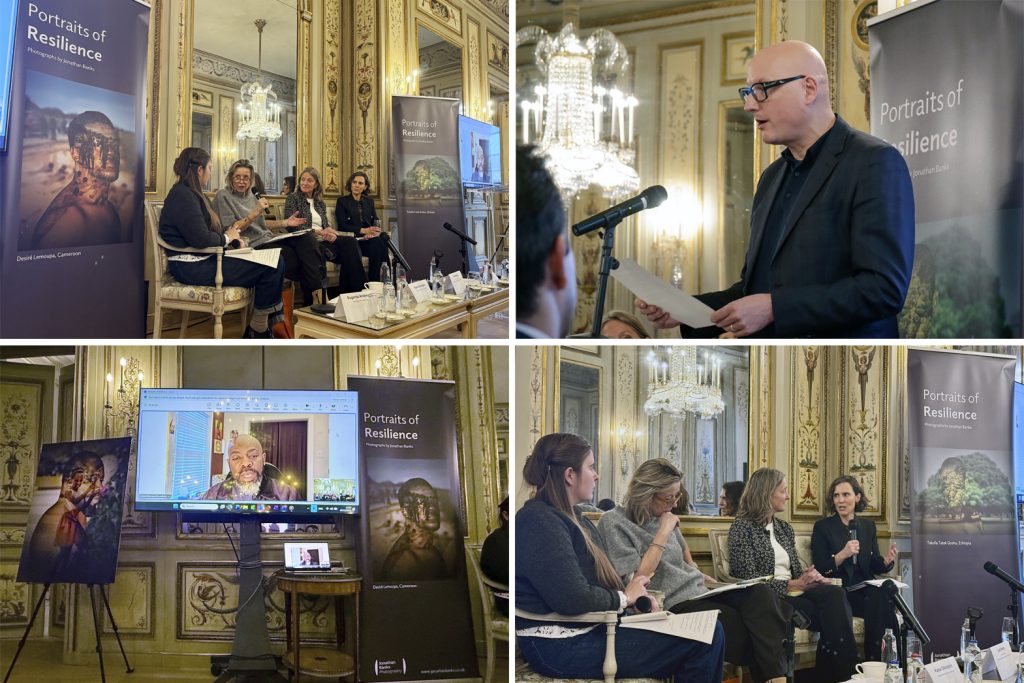
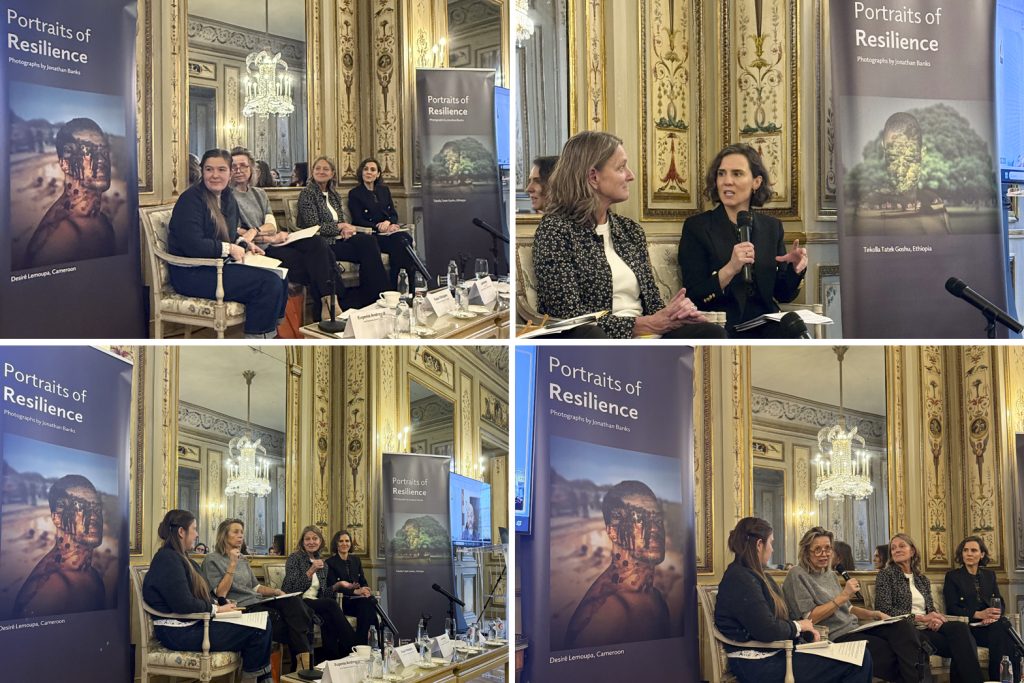
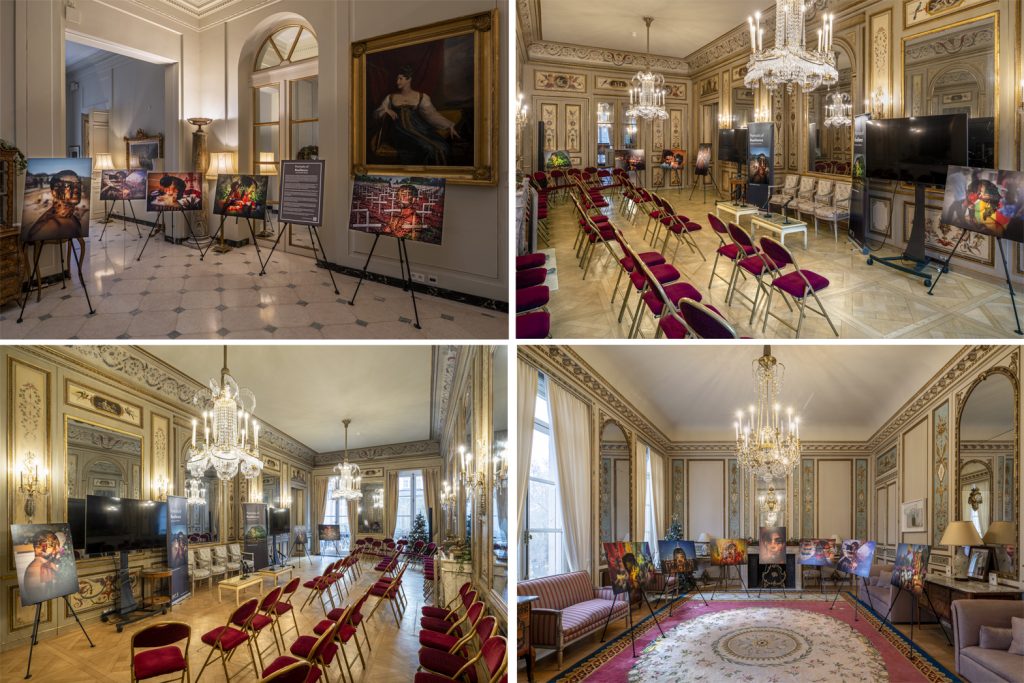
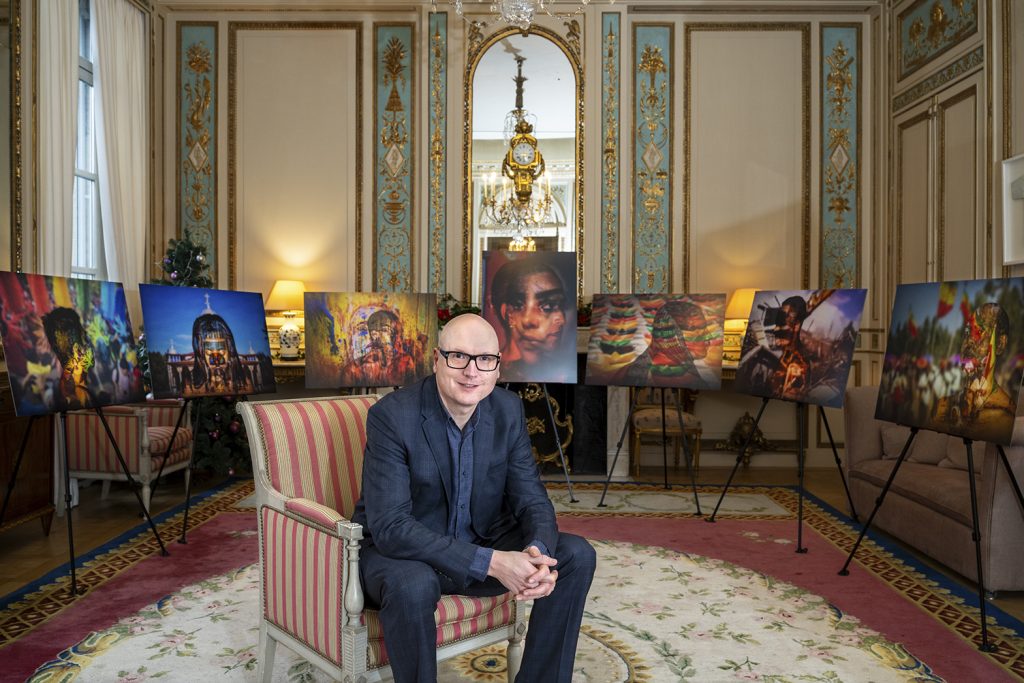
As the world observed Human Rights Day last week, “Portraits of Resilience” was at the centre of a panel discussion and exhibition as hosted by the British Residency and the EEAS, in Brussels.
The event advocated for a victim-centered approach: putting the rights, safety, and wellbeing of survivors at the heart of prevention, accountability, and rehabilitation.
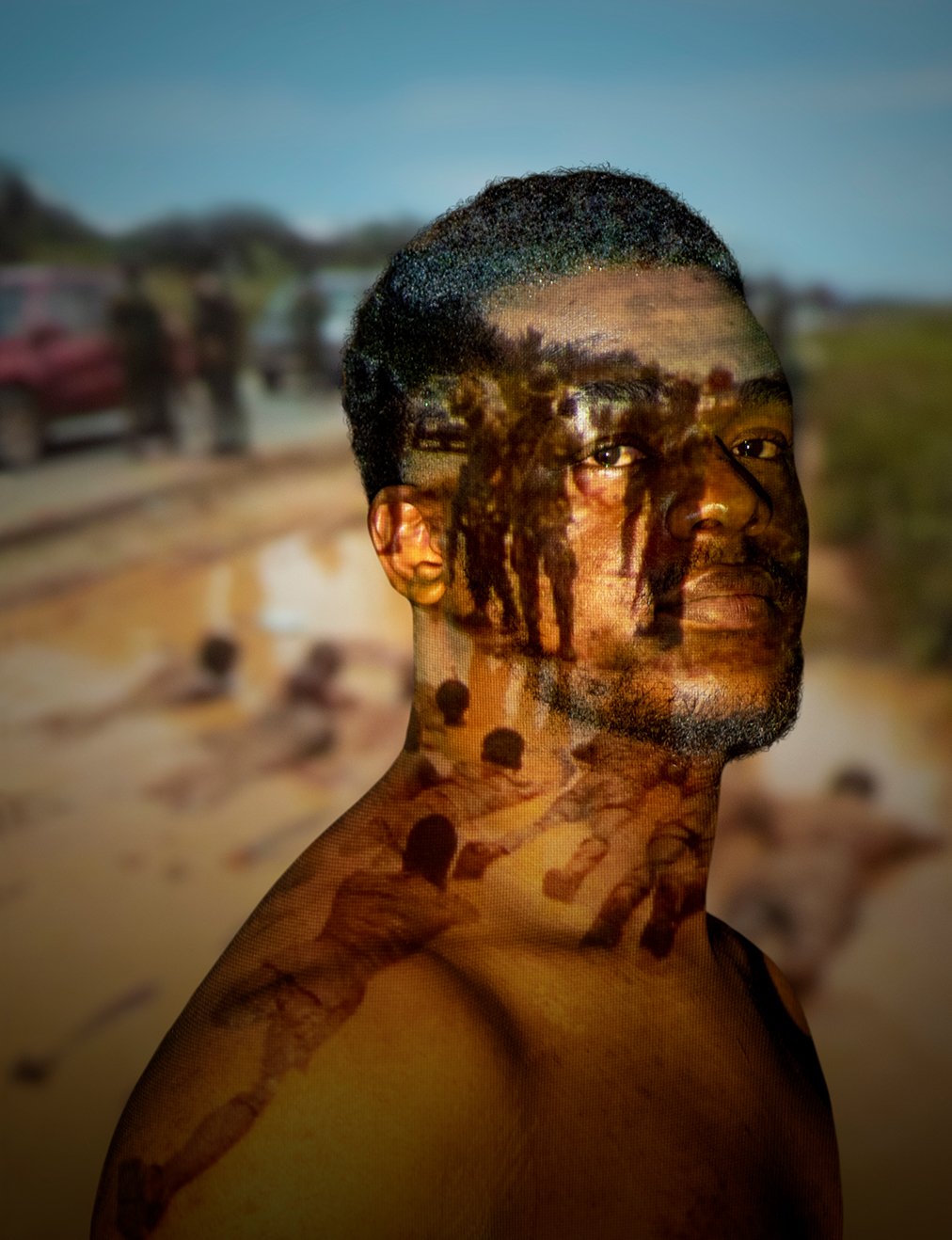
“Portraits of Resilience” features photographs of survivors of torture from around the world who fled their homes seeking safety, recovery and dignity.
It comes at a time when the world is discussing changes in interpretation of article 3 on torture, where there are no exceptions in which torture or inhuman or degrading treatment or punishment could be permitted.
Torture is an abhorrent crime – prohibited in all circumstances, without exception. Yet, it persists, fuelled by conflict, authoritarianism, and attacks on international norms. Increasingly, it appears in contexts such as peaceful protests, through police violence and ill-treatment.
The panel consisted of Kajsa Ollongren, EU Special Representative for Human Rights, Emma Green, FCDO Deputy Head of Human Rights Department, Léonce Byimana, Director of U.S Clinical Programs at the Centre for Victims of Torture, and Lisa Henry – Secretary‑General (International Rehabilitation Council for Torture Victims) and was moderated by Eugenia Andreyuk, Human Rights lawyer World Organisation Against Torture (OMCT).
“Portraits of Resilience” would not be possible without the support of the organisations that I am working with, TASSC International, Freedom From Torture and Redress, and the bravery of the survivors who participated.