

Amy, UK
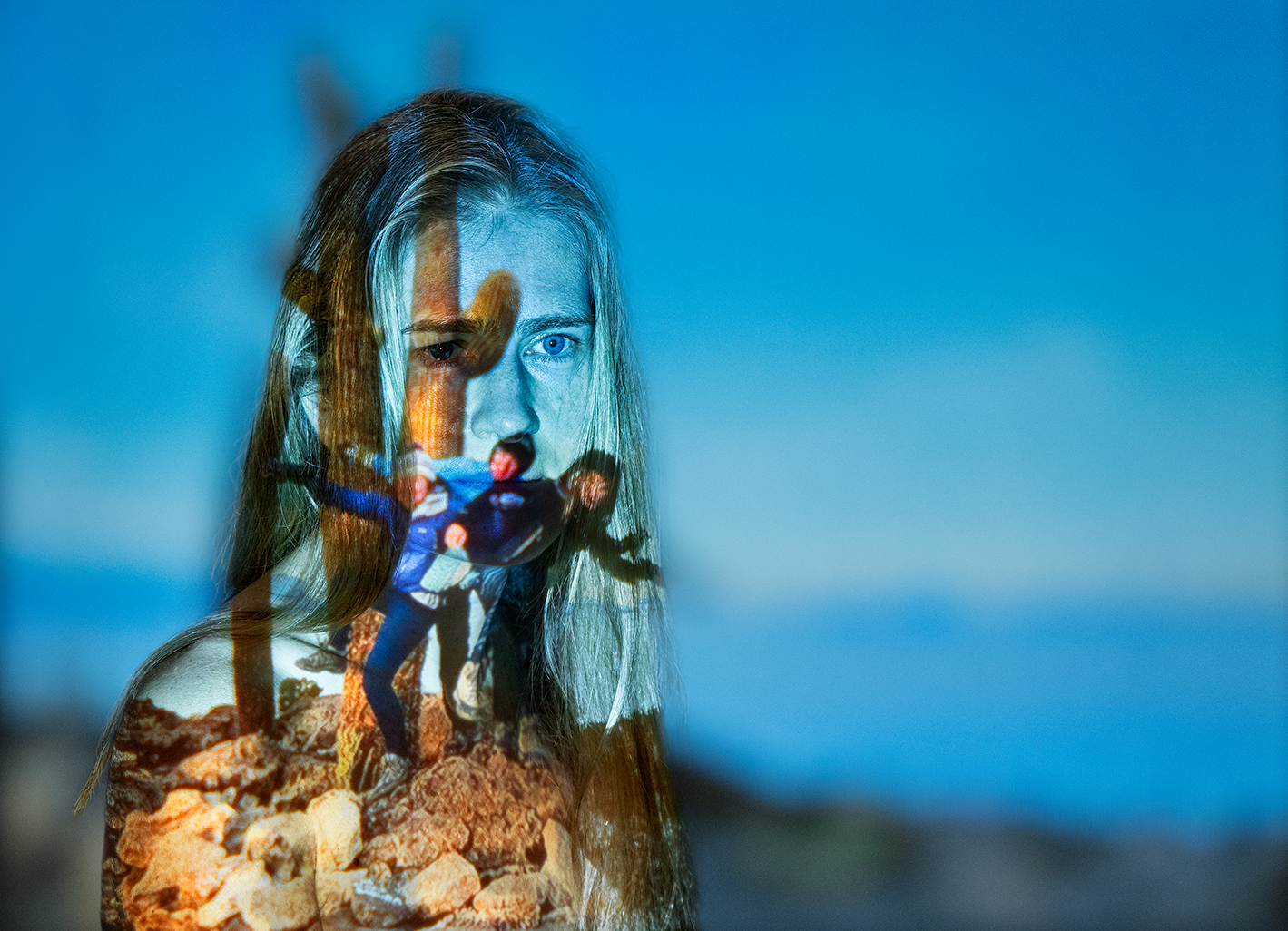
“On the night that I was gang-raped in rural Colombia, I was wearing garish leggings that I’d bought in a flea market in Bolivia and an oversized men’s T-shirt.
Even after years of therapy, I still find myself judging what I chose to wear that night as a backpacker in South America – as if it had anything to do with the three rapists’ decision to do what they chose to do.
I am a survivor of rape used as a form of torture by three male members of the Wayuu indigenous community in northern Colombia in 2012. Since then, I have repeatedly sought justice through the Colombian legal system, but my case has been marred by delays, impunity and revictimisation by the authorities.
I took my case to the Inter American Commission on Human Rights in 2020, on the basis that the Colombian State had failed to conduct a prompt, thorough and effective investigation. I am now a member of the Survivor Advisory Group and have run marathons raising money for survivors of torture and gender-based violence. My legal case continues.
In 2012, Facebook was popular among my age group, so I turned to my profile pictures from that time for inspiration for the photo that would be projected onto me.
Thirteen years later, what struck me most about the profile picture from the time I was raped was my own self-judgment: “Perhaps those shorts were too short.” That self-blame was not helped by the rapists’ spokesperson saying that it was me who took advantage of three men.
I made the choice to use my first name only, as it feels like I would be giving too much away otherwise.
I do not want to be anonymous. The rapists treated me as if I had no name. The police treated me as though my name was “silly British girl who thought she could have a carefree holiday in Colombia”. The hospital even delayed my release by copying my name incorrectly from my passport. My case is now attached to at least two long reference numbers.
“Amy” definitely feels right.
It’s who I wanted the rapists to see that I was. It’s how I want the prosecutors to consider my case. They don’t need to know everything about me. Just enough to think of me as Amy, a daughter, sister, friend, colleague and now wife.”
Rape is a very severe human rights violation which often amounts to torture. For rape to amount to torture, it usually has to involve a State official, either as a direct perpetrator or as someone responsible for failing to protect and respond. Whilst in Amy’s case there was no Colombian State official involved in the actual act of rape, the State failed to undertake a prompt or effective investigation into what happened, and the actions they did take violated her right to ‘personal integrity’ and contributed to re-traumatising her. The claim she is bringing before the Inter-American Commission on Human Rights therefore includes a claim that Colombia has violated her ‘right to humane treatment’ (Article 5 of the American Convention on Human Rights). REDRESS