

Matthew Hedges, UK
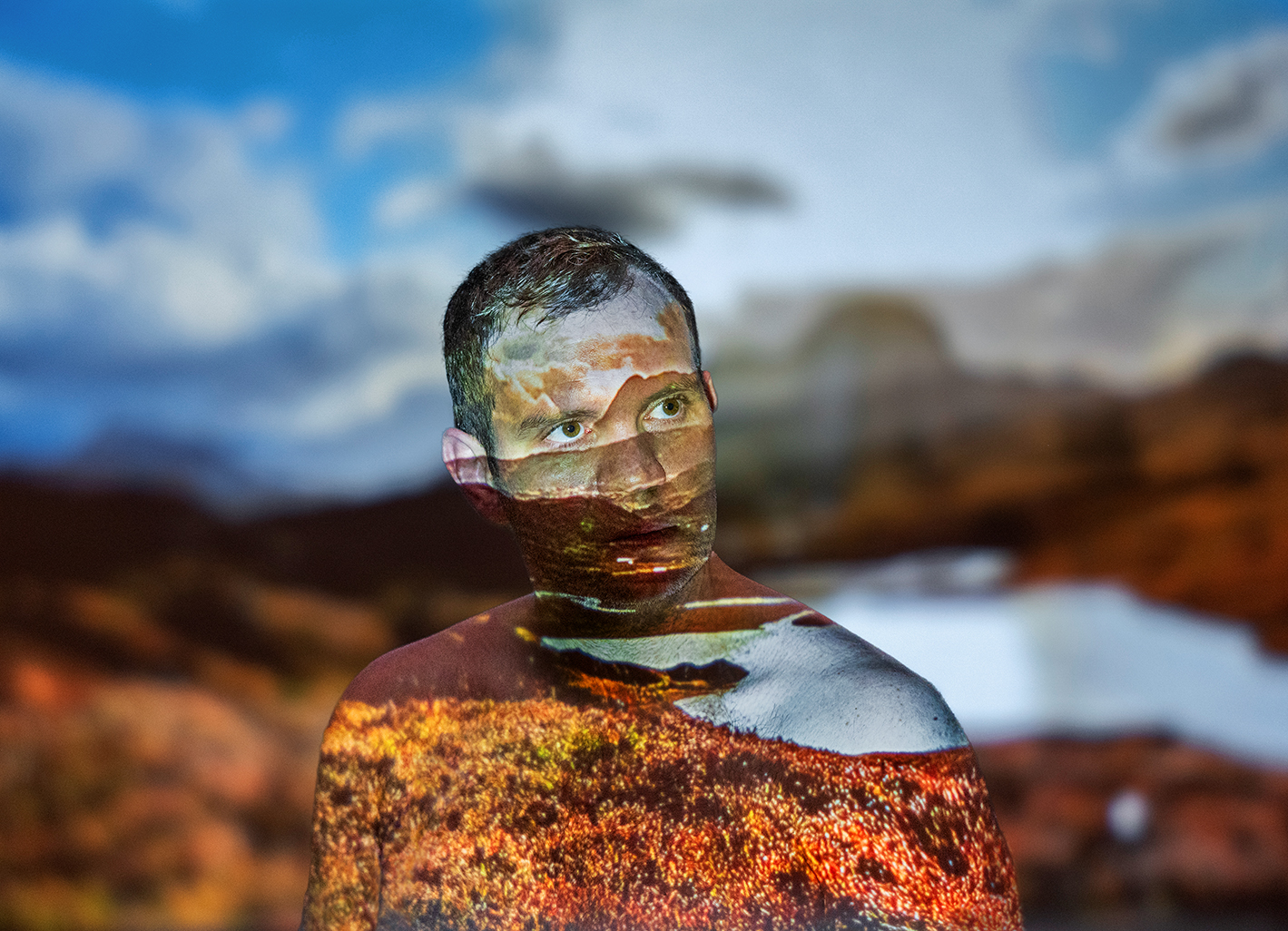
“I am an academic and researcher, deeply curious and eager to learn. Having spent several years in the UAE I returned to the UK to undertake a doctorate at Durham University, examining how it was affected by the Arab Spring. In 2018 I returned to the UAE to undertake fieldwork research. Before I even arrived however, the UAE’s State Security Department (SSD) had hacked my phone and were waiting for me. During my two-week research trip, I was followed and while in retrospect this was obvious, I believed I was being paranoid and assumed that if I was permitted to enter the country there was no major issue. When I attempted to leave the UAE as planned, I was arbitrarily detained by a group of plain clothes and armed officers, blindfolded and driven to Abu Dhabi. For just under the next seven months I was tortured, daily interrogated for up to 11 hours a day, held in solitary confinement and forcibly given a cocktail of drugs. During this time, I attempted suicide, falsely confessed to the charge of espionage on behalf of the British government, and was sentenced to life imprisonment. The compounding impact of this experience has left a permanent and disabling trauma.
I have no doubt that my lasting trauma is built around the extended experience in solitary confinement. It is impossible to ever understand or even imagine the pain you feel in solitary confinement. It is anti-life.
The sustained exposure to life threatening stress is impossible to forget. The memory of permanent isolation is always balanced by the desperate need to escape and feel alive.
My escape was to the Scottish Highlands, a place I have strong feelings for and where my family is from. This is not only an area of immense natural beauty, but also a stark contrast to my experience within solitary confinement. When I am walking in the highlands it is like my mind is spread out in the landscape, free from all the underlying trauma.”